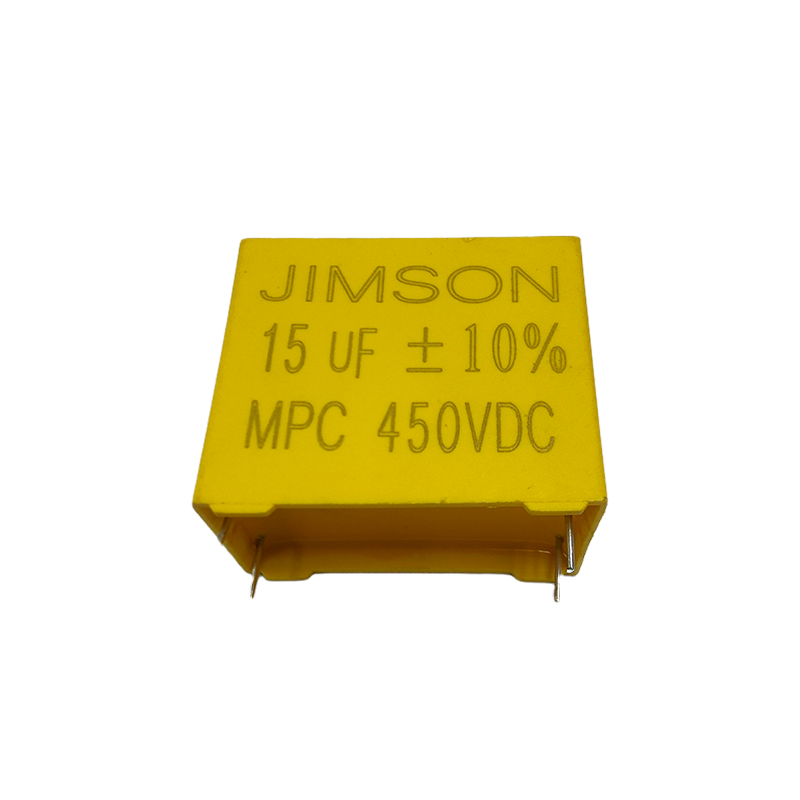
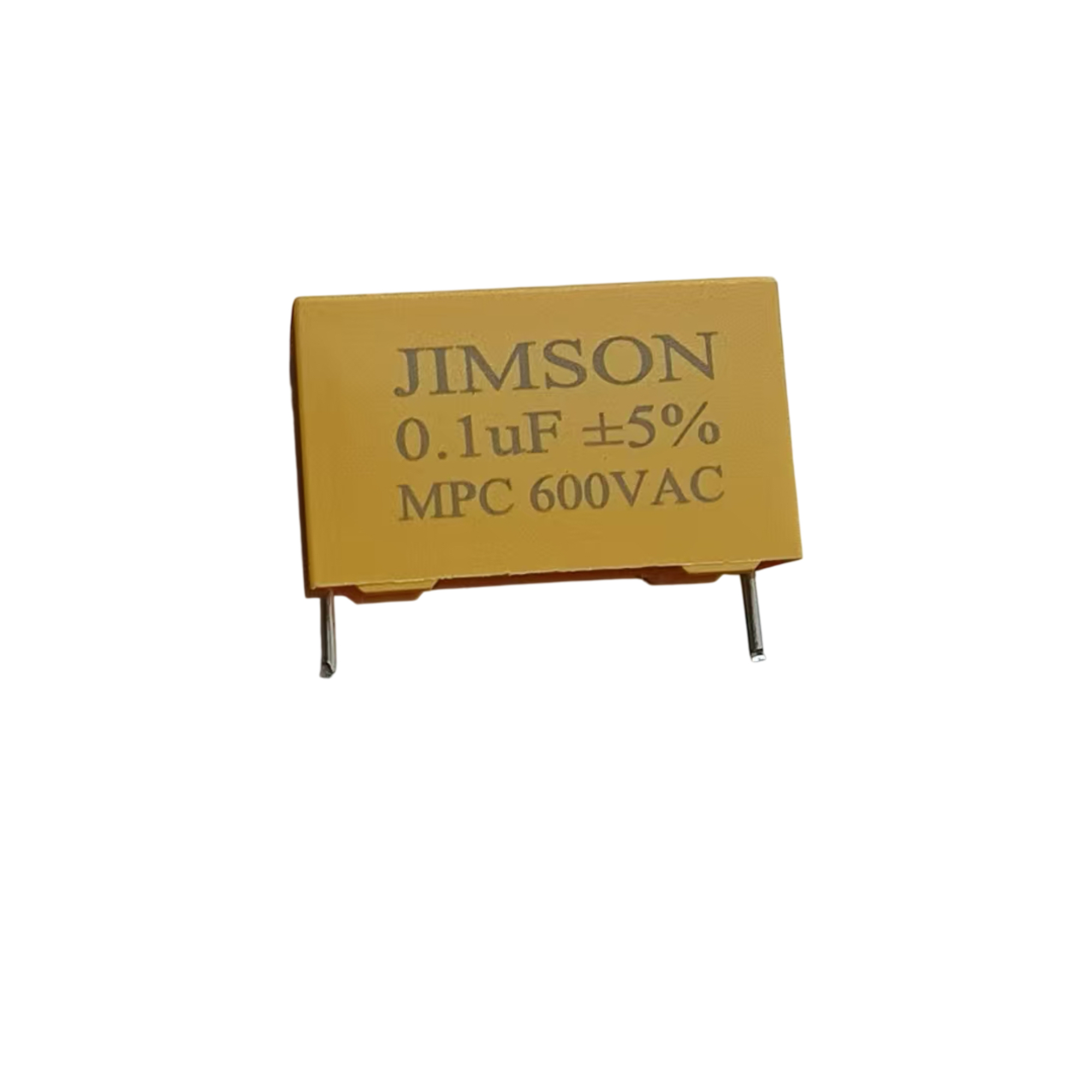
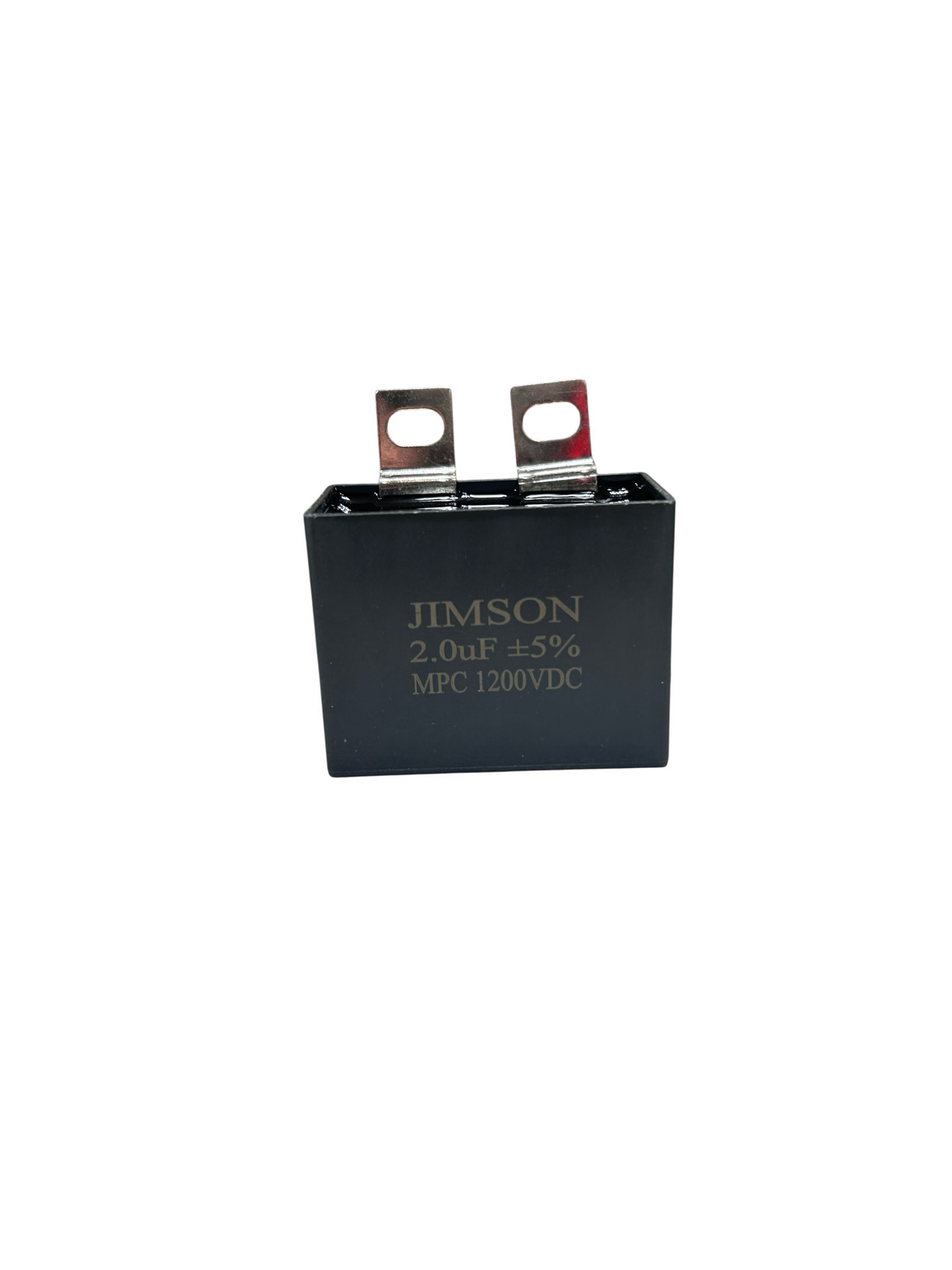
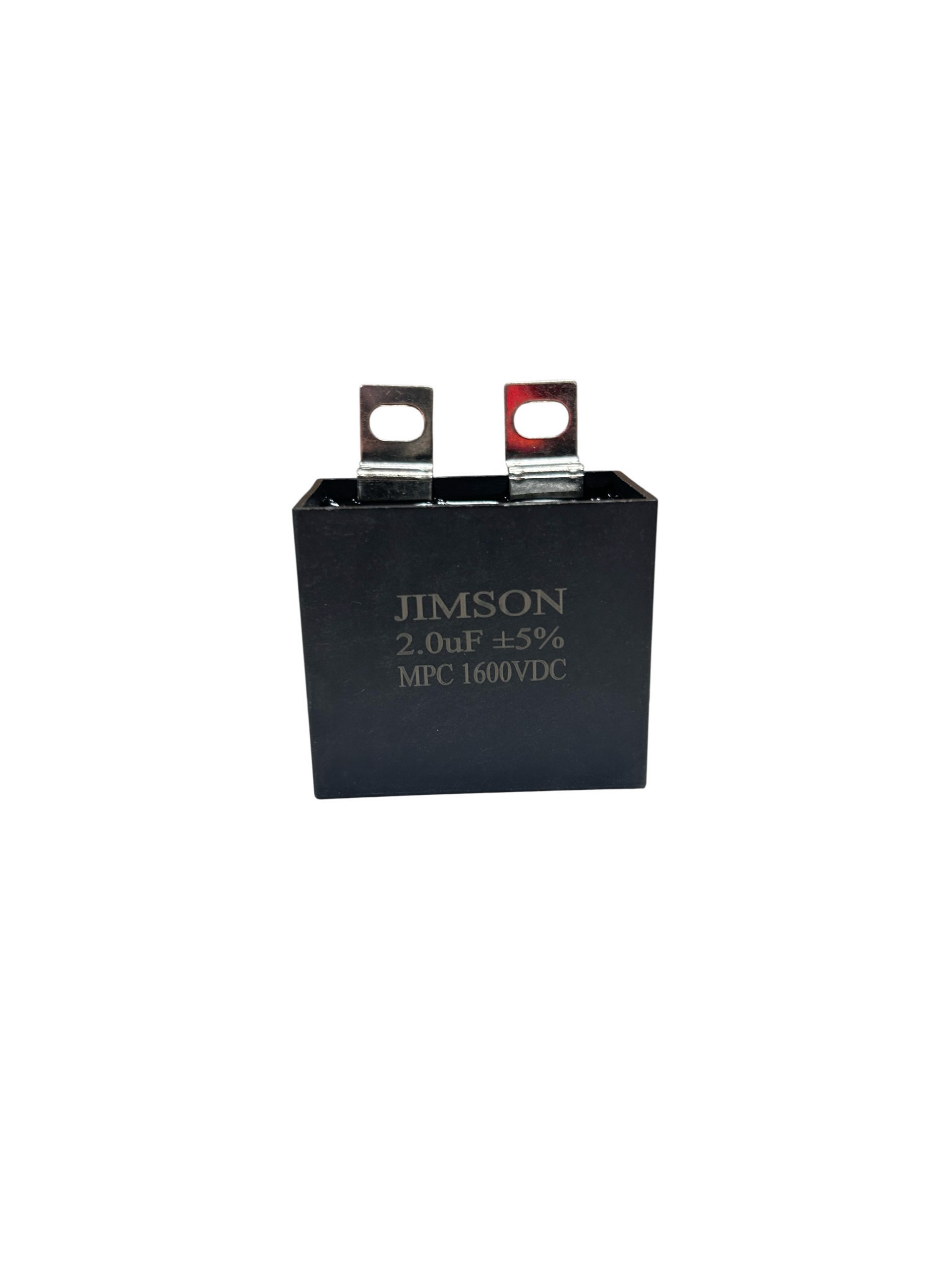
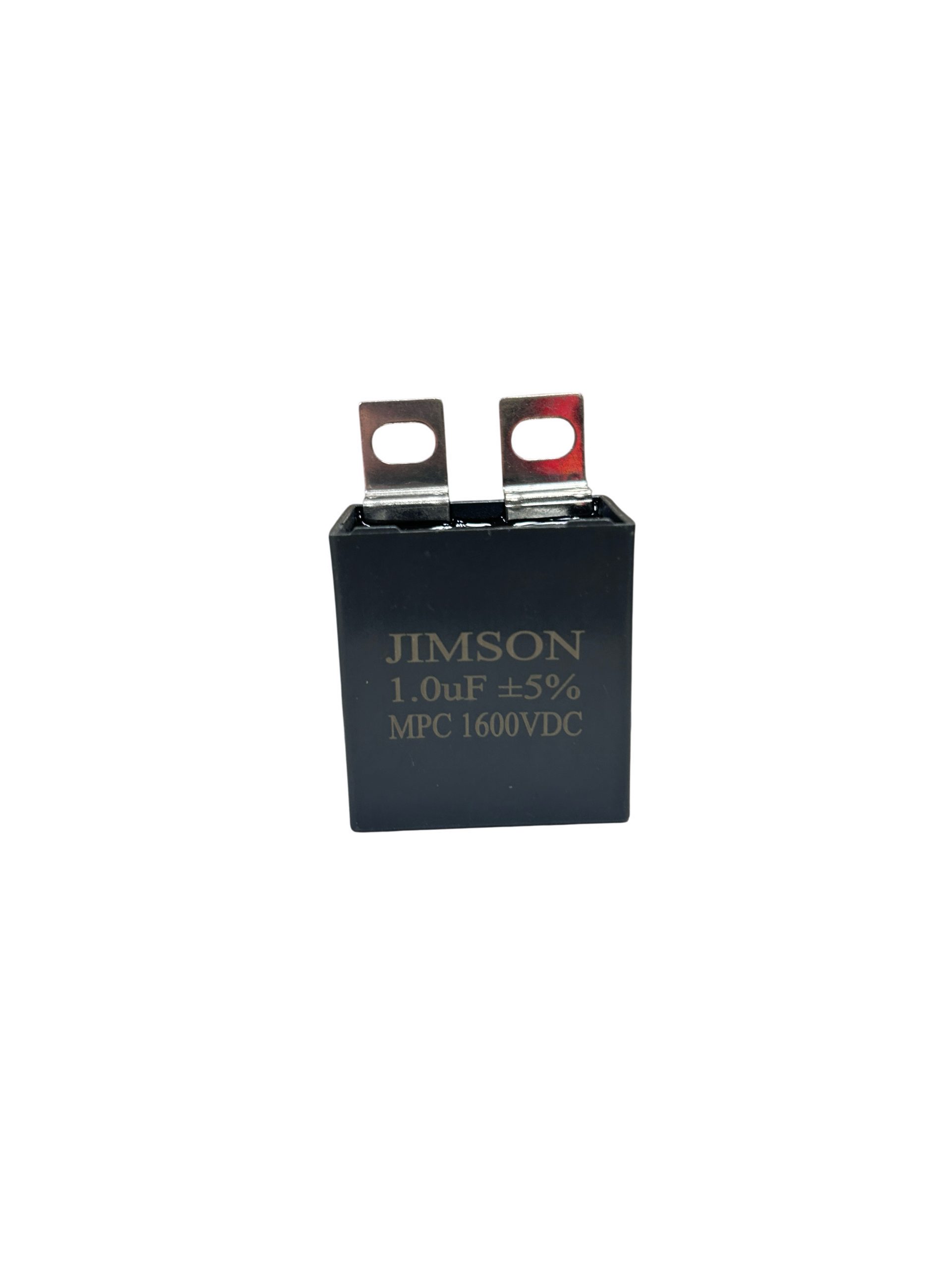
Stacked film capacitors are a type of capacitor that is used in a wide range of industrial applications, from power supplies and inverters to motor drives and renewable energy systems. In this article, we will explore the different types of stacked film capacitors and their uses in industrial applications.
What is a Stacked Film Capacitor?
A stacked fcapacitor is a type of capacitor that is made up of multiple thin layers of metalized polyester or polypropylene film. These layers are stacked on top of each other and separated by a thin dielectric material, which allows the capacitor to store and discharge energy. Stacked film capacitors are used in applications where high energy density, low ESR, and high frequency response are required.
Types of Stacked Film Capacitors
There are several different types of stacked capacitors, each with its unique characteristics and uses.
- Metallized Polyester Capacitors: These capacitors are made up of multiple layers of metallized polyester film and are used in applications that require low cost and low to medium voltage ratings.
- Metallized Polypropylene Capacitors: These capacitors are made up of multiple layers of metallized polypropylene film and are used in applications that require high voltage ratings, high current handling, and low dielectric losses.
- Metallized Polyphenylene Sulfide Capacitors: These capacitors are made up of multiple layers of metallized polyphenylene sulfide film and are used in applications that require high temperature stability and high frequency response.
- Metallized Polyphenylene Oxide Capacitors: These capacitors are made up of multiple layers of metallized polyphenylene oxide film and are used in applications that require high temperature stability and high voltage ratings.
- Film/Foil Capacitors: These capacitors are made up of multiple layers of metal foil and film and are used in applications that require high current handling and high pulse strength.
Advantages of Stacked Film Capacitors
Stacked capacitors have several advantages over other types of capacitors, including:
- High energy density: Stacked film capacitors can store more energy per unit volume than other types of capacitors.
- Low ESR: Stacked capacitors have a low equivalent series resistance, which makes them suitable for high current applications.
- High frequency response: Stacked film capacitors can handle high frequency signals without significant loss.
- Low self-inductance: Stacked capacitors have a low self-inductance, which makes them suitable for high frequency applications.
- Low dielectric losses: Stacked capacitors have low dielectric losses, which means they are efficient at storing and discharging energy.
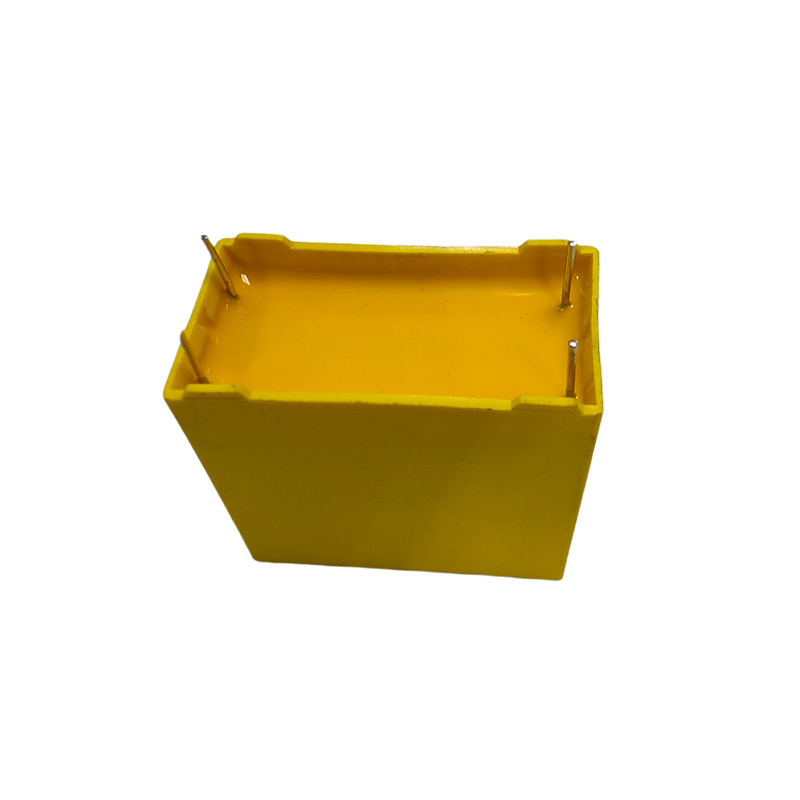
Applications of Stacked Film Capacitors
Stacked film capacitors are used in a wide range of industrial applications, including:
- Power supplies: Stacked capacitors are used in power supplies to provide filtering and decoupling.
- Motor drives: Stacked film capacitors are used in motor drives to provide DC link capacitors.
- Renewable energy systems: Stacked capacitors are used in renewable energy systems, such as solar inverters and wind turbines, to provide DC link capacitors.
- Automotive electronics: Stacked capacitors are used in automotive electronics, such as power steering and brake systems.
Factors to Consider When Choosing Stacked Film Capacitors
When choosing stacked capacitors for industrial applications, several factors should be considered, including:
- Capacitance Value: The capacitance value required for the application should be carefully considered when selecting a stacked film capacitor. The capacitance value is determined by the amount of charge that can be stored in the capacitor, and is measured in farads (F). The capacitance value required for the application will depend on the specific requirements of the circuit, including the voltage, current, and frequency.
- Voltage Rating: The voltage rating of the stacked film capacitor should be selected based on the maximum voltage that will be applied to the capacitor. The voltage rating is determined by the dielectric strength of the capacitor, and is measured in volts (V). It is important to select a capacitor with a voltage rating that is higher than the maximum voltage that will be applied to the capacitor, to ensure that the capacitor does not break down or fail.
- Frequency Response: The frequency response of the capacitor should be carefully considered when selecting a stacked film capacitor. The frequency response refers to how well the capacitor performs at different frequencies, and is determined by the dielectric material and construction of the capacitor. It is important to select a capacitor with a frequency response that is appropriate for the application, to ensure that the capacitor does not introduce unwanted noise or distortion into the circuit.
- ESR: The Equivalent Series Resistance (ESR) of the capacitor should be considered when selecting a stacked film capacitor. The ESR refers to the resistance of the capacitor at high frequencies, and is determined by the dielectric material and construction of the capacitor. A low ESR is desirable for many applications, as it allows the capacitor to respond quickly to changes in voltage and current.
- Temperature Range: The temperature range of the application should be considered when selecting a stacked film capacitor. The temperature range refers to the range of temperatures that the capacitor can operate in without experiencing performance degradation or failure. It is important to select a capacitor with a temperature range that is appropriate for the application, to ensure optimal performance and reliability.
- Mounting Style: The mounting style of the capacitor should be considered when selecting a stacked film capacitor. Stacked capacitors are available in a variety of mounting styles, including surface mount, through-hole, and radial lead. The mounting style should be selected based on the requirements of the application and the available space for the capacitor.
By carefully considering these factors when selecting a stacked film capacitor for an industrial application, designers and engineers can ensure that the capacitor meets the specific requirements of the circuit and provides optimal performance and reliability.
Related Products